 HajperTalk
Series: Building A Modern Website [10 parts]
Part 1: Before the Code
 How senior engineers approach website projects before writing code: defining accessibility, performance, and SEO requirements early.
Part 2: Semantic HTML as the Foundation
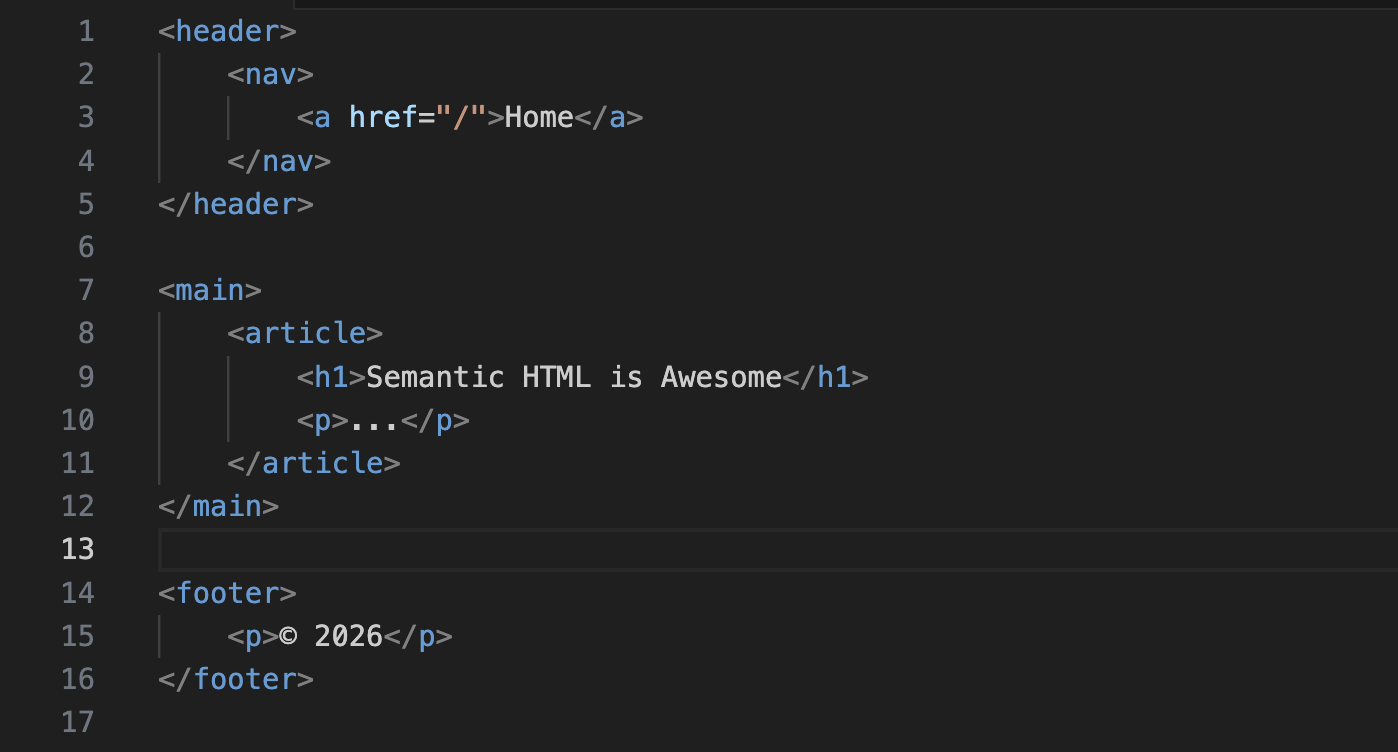 Why semantic HTML is the most important foundation for accessibility, SEO, and maintainable frontend architecture.
Part 3: Structuring Layouts Without Fighting CSS
 How to structure page layouts using semantic containers, predictable layout patterns, and responsive thinking before styling.
Part 4: Designing a Typography System That Scales
 How to build a typography system using fluid type, readable line lengths, and consistent spacing that scales across devices.
Part 5: Navigation That Works for Everyone
 How to design navigation that works for everyone through keyboard access, visible focus states, and accessible mobile menu patterns.
Part 6: Static Site Approach
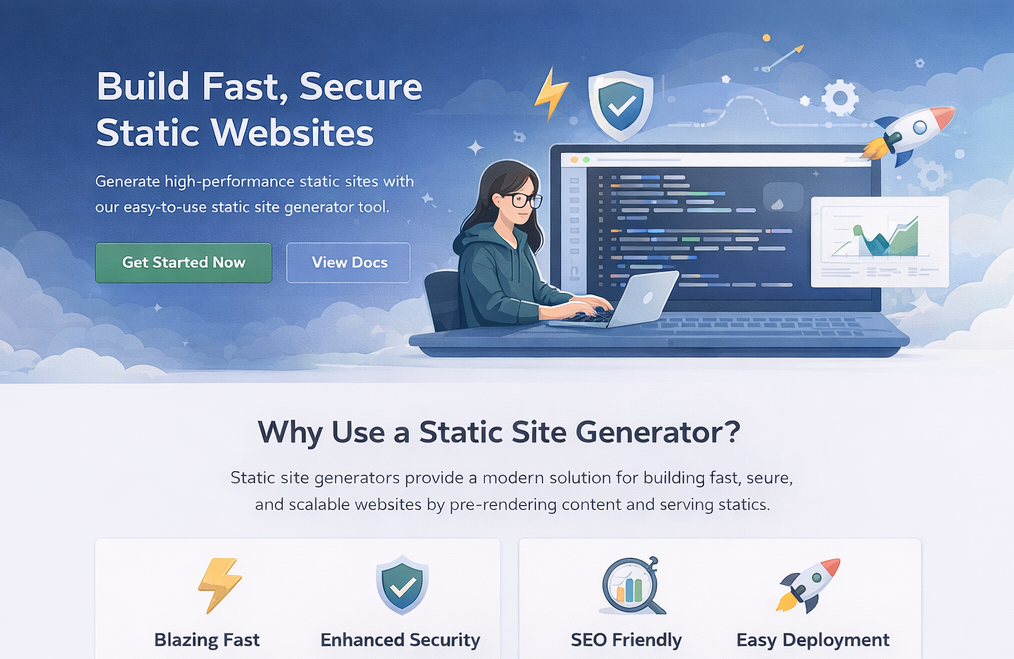 Why a static-first architecture often works well for modern websites, and when it doesn’t.
Part 7: Static Site in Practice
 How a static-first approach can be implemented in practice, without locking into a specific framework.
Part 8: Animations
 How to use animation as a tool for communication without harming performance or accessibility.
Part 9: SEO That Starts in the Markup
 How semantic structure, metadata, and structured data help search engines understand a website without relying on SEO tricks.
Part 10: Performance Engineering Early
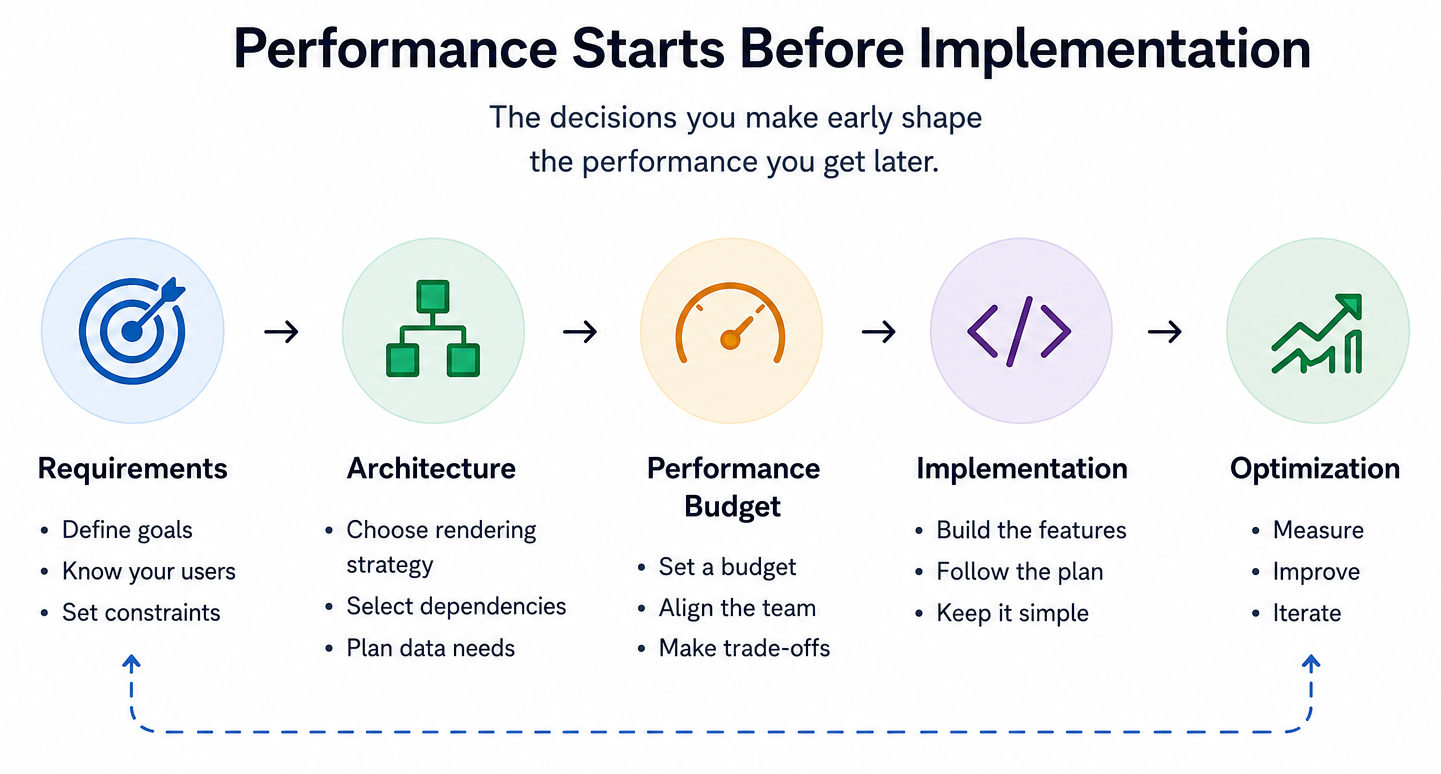 Why performance is primarily the result of architectural decisions rather than late stage optimization efforts.